[ Observation ]
On Seeing Before Shooting
Publish date
12 March 2026
Written by
Elias Moreno
Introduction
Before a camera is raised, something quieter happens. Seeing begins long before shooting. In film and photography, observation is not a preparatory step but the foundation itself. This journal reflects on the importance of slowing down, noticing context, and allowing understanding to form before any image is made.
The act of seeing shapes every decision that follows. What is framed, what is excluded, and what is left unresolved all begin with attention rather than action.
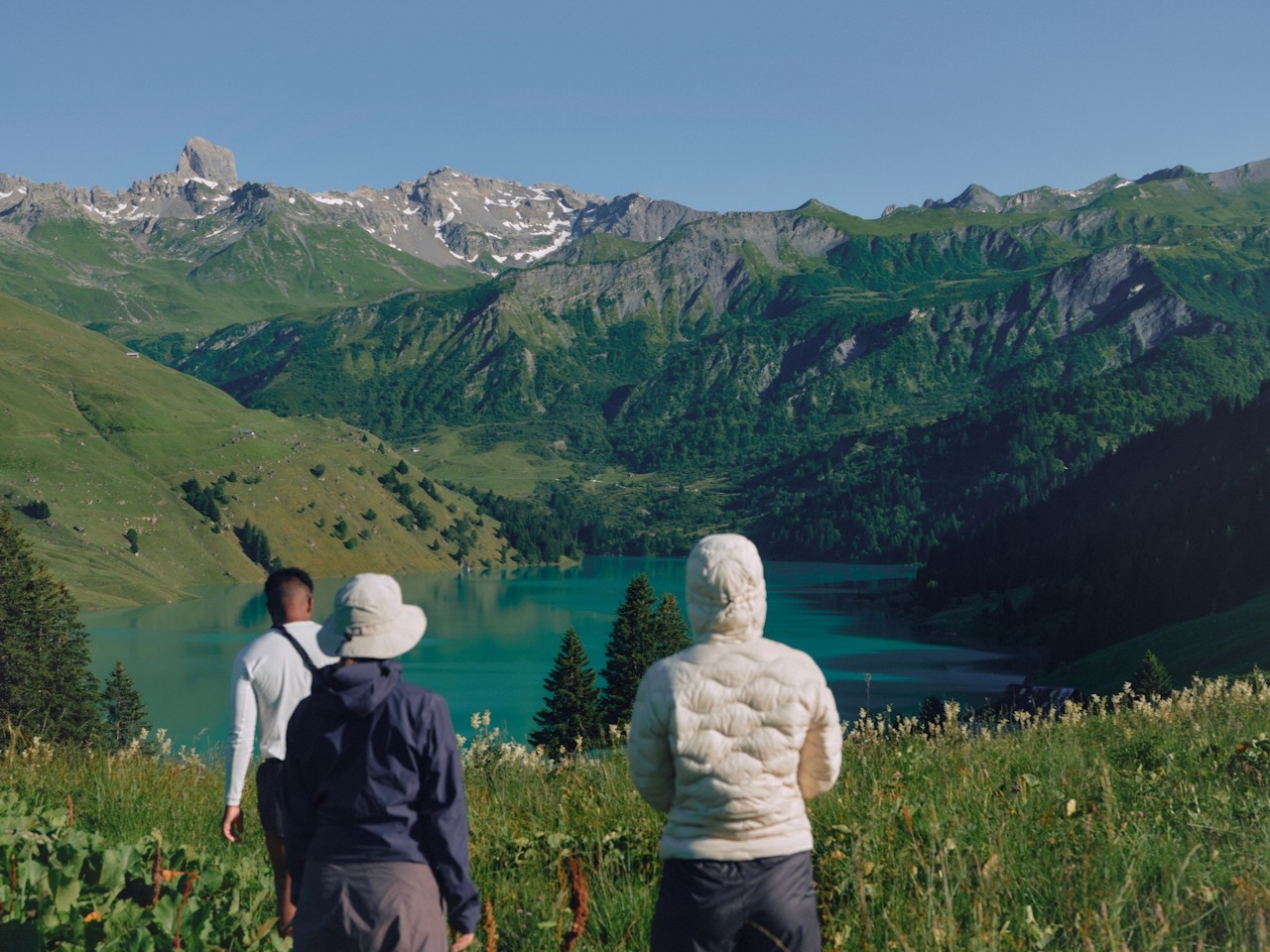
Observation as a starting point
In a world driven by speed and output, the pressure to capture quickly can overshadow the need to observe carefully. Yet meaningful visual work often emerges from patience. Observation allows space for nuance, light, movement, and atmosphere to reveal themselves without force.
Spending time within a location or with a subject creates familiarity. This familiarity reduces assumptions and opens the possibility for images that feel grounded rather than reactive.
Understanding before intention
Seeing before shooting is not passive. It is an active process of understanding.
• How light changes across time
• How people move when they are no longer aware of the camera
• What remains consistent and what shifts subtly
These observations inform intention. Instead of imposing a concept onto a scene, the work responds to what is already present. The result is imagery that feels honest and considered.
The role of restraint
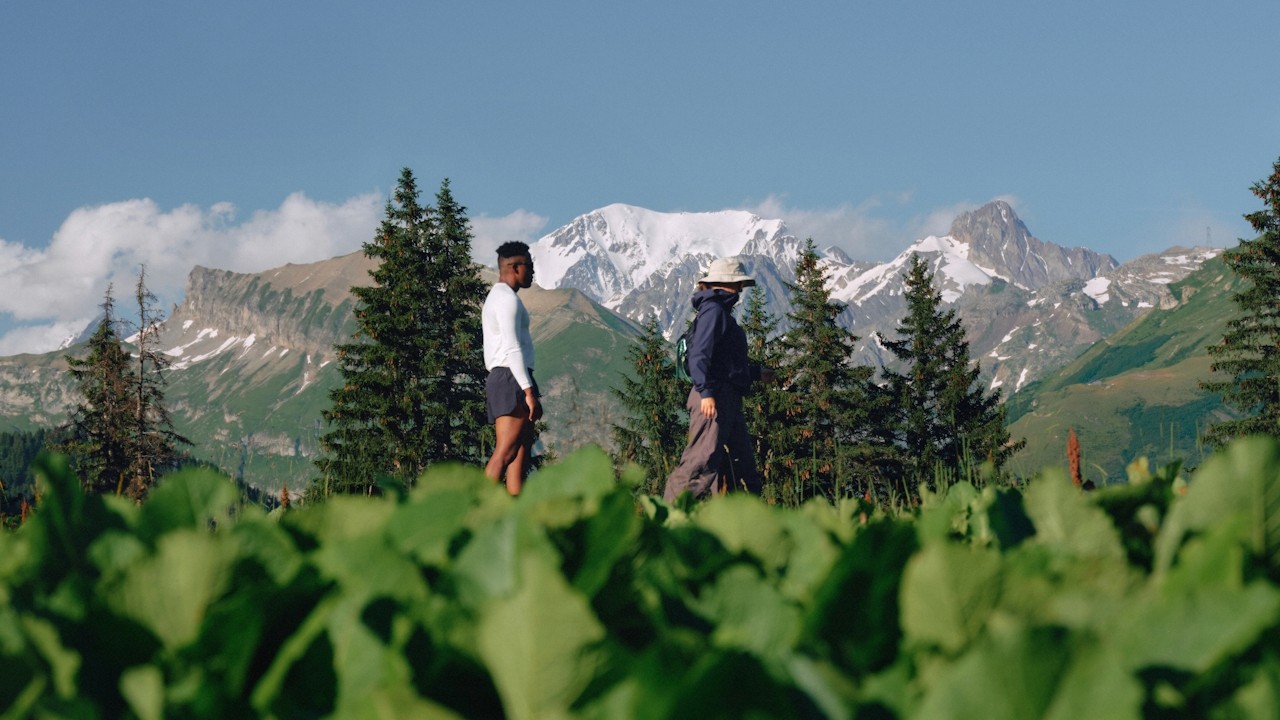
Not every moment needs to be captured. Restraint is part of observation. Knowing when not to shoot can be as important as knowing when to begin. This pause creates clarity and prevents visual noise.
By allowing moments to pass unrecorded, the moments that are captured gain weight. The image becomes a decision rather than a reflex.
Process over immediacy
Observation reinforces a process-led approach.
• Understanding before immediacy
• Depth over volume
• Decisions over reactions
This approach may appear slower, but it often leads to work that holds attention longer. When observation guides the process, the final images feel less constructed and more discovered.
Closing thoughts
Seeing before shooting is a quiet discipline. It asks for patience, presence, and trust in the process. In film and photography, observation is not a delay. It is the work itself.
This practice continues to shape how projects begin, evolve, and resolve. Long before the shutter or record button is pressed, the image already exists in what has been carefully seen.