[ Motion ]
Movement Changes Meaning
Publish date
27 April 2026
Written by
Daniel Hart
Introduction
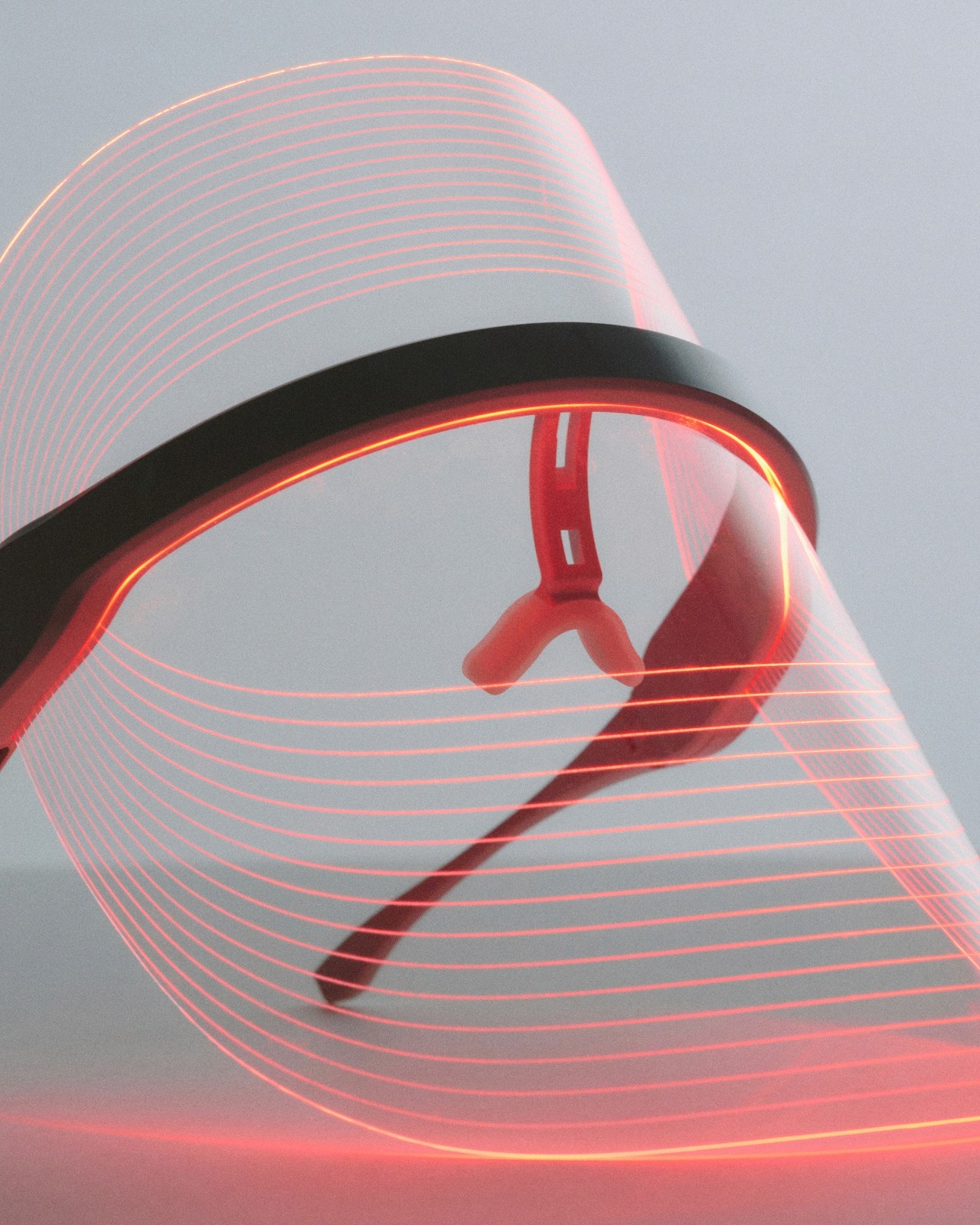
Movement introduces time into visual work. It shifts how images are read, felt, and remembered. In film and photography, motion does not simply animate a frame. It changes the relationship between subject, space, and viewer.
This journal considers how movement reshapes meaning. How transitions, pauses, and progression influence interpretation. What an image communicates is often less about what moves, and more about how movement is allowed to unfold.
Meaning emerges through duration, direction, and restraint.
Movement as narrative
Motion creates sequence. Even the simplest movement suggests before and after.
A subject crossing a frame implies origin and destination. A slow turn alters attention. A repeated action builds familiarity or tension. These elements form a narrative without words.
Movement guides the viewer through an image. It directs focus, sets rhythm, and establishes continuity. Without motion, meaning can feel suspended. With it, the image begins to speak across time.
Rhythm and intention
Not all movement carries the same weight.
• Sustained motion encourages immersion
• Interrupted motion introduces uncertainty
• Subtle motion invites closer attention
Rhythm determines how long a viewer stays with an image. Intention determines why they stay. When rhythm is considered, movement feels deliberate rather than incidental.
This awareness allows meaning to develop gradually instead of arriving all at once.
The value of pause
Movement gains clarity through contrast.
Stillness provides orientation. It allows the viewer to register change and understand progression. Without pauses, motion becomes continuous and indistinct.
Choosing when to slow down or stop is as important as choosing when to move. These decisions give movement definition and prevent excess.
Pause is not absence. It is structure.
Allowing movement to emerge
A process-led approach treats movement as something to be observed before being shaped.
• Watching how people naturally shift and respond
• Noticing patterns in light and space
• Allowing repetition and variation to occur
When movement is allowed to emerge, it retains authenticity. The work responds to what is present rather than forcing momentum. Meaning feels discovered instead of constructed.
Closing thoughts
Movement changes meaning because it alters perception over time. It introduces rhythm, expectation, and resolution. In film and photography, motion is not decorative. It is decisive.
When movement is approached with care, it deepens clarity rather than adding complexity. The image does not rush to explain itself. It reveals meaning gradually, through how it moves.